

 EN
 Español
 Indonesia
 Tiếng Việt


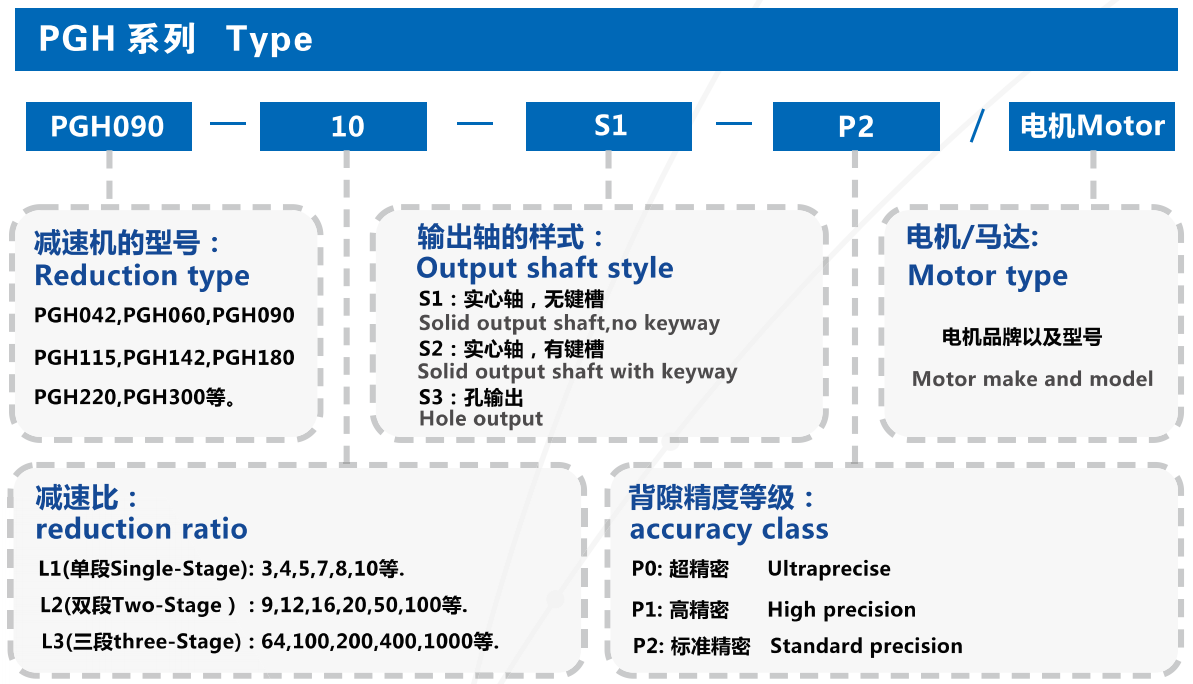
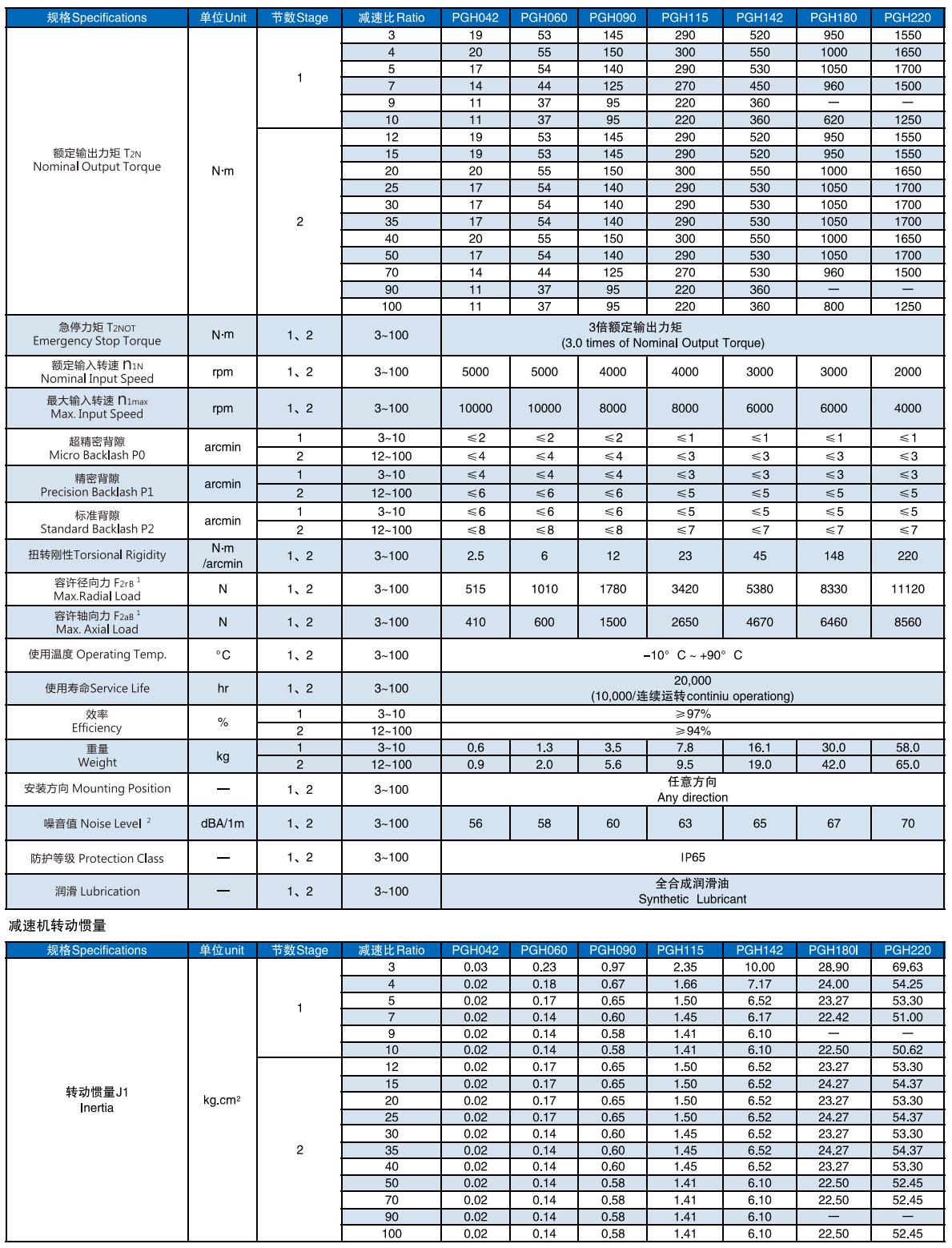
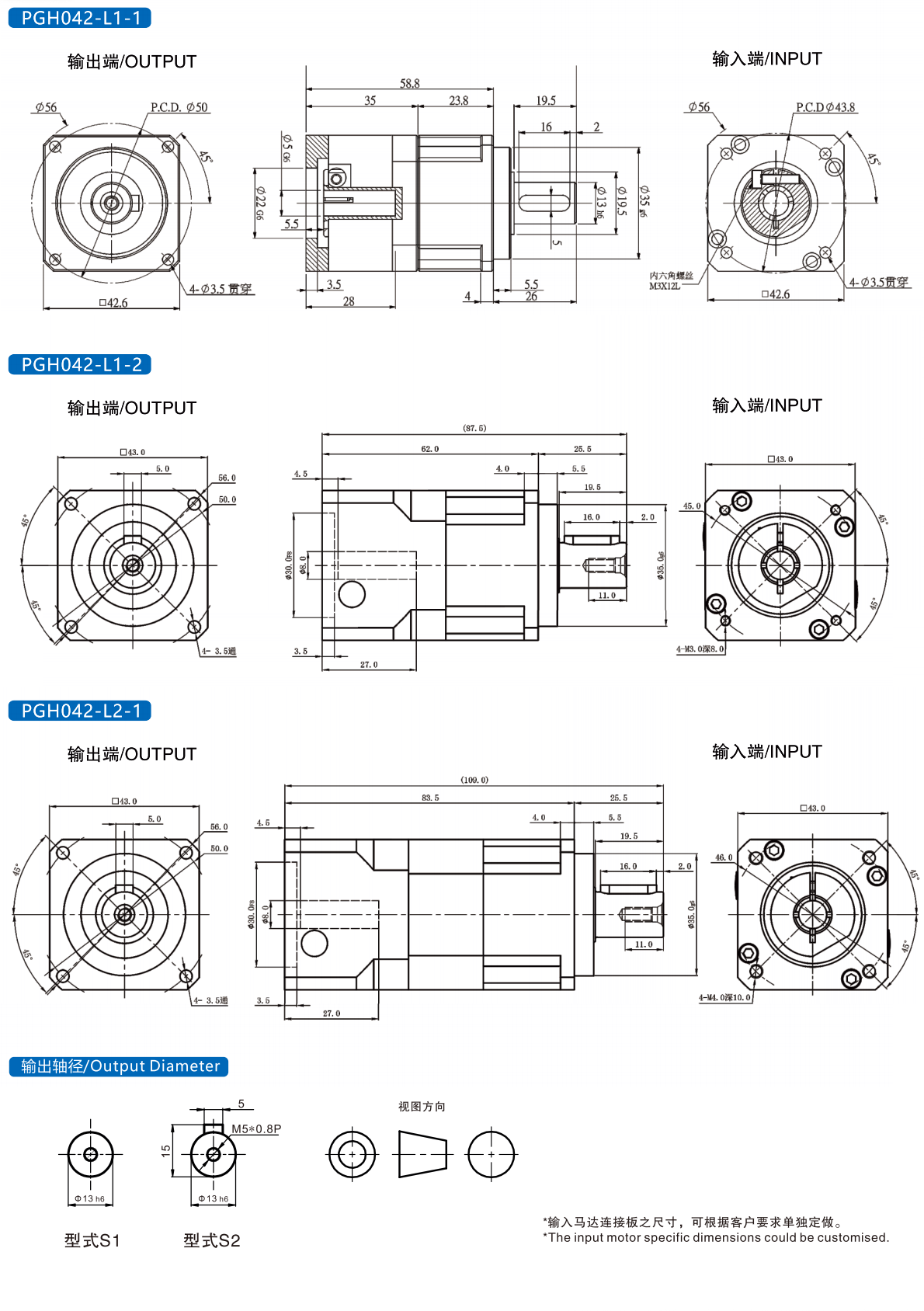
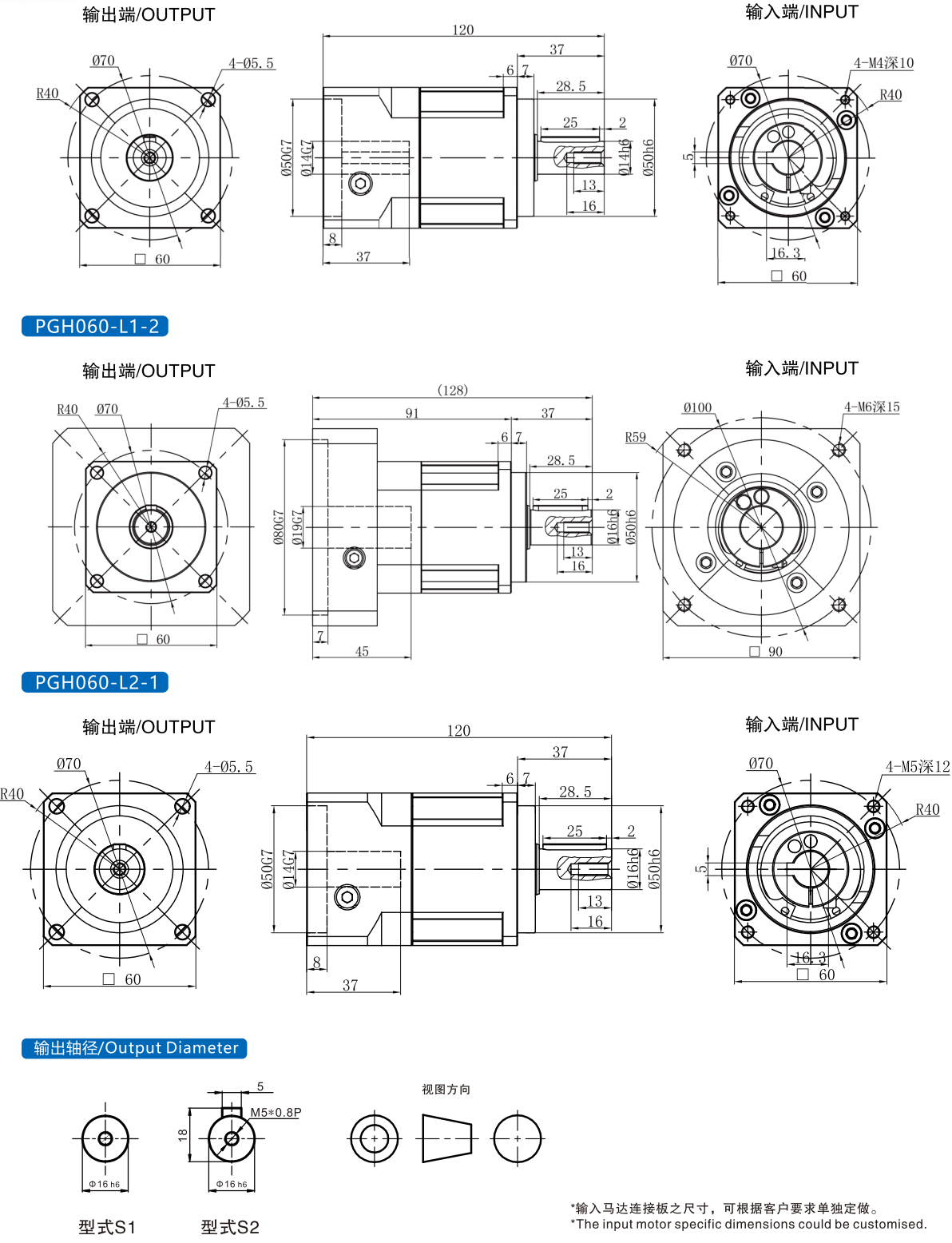
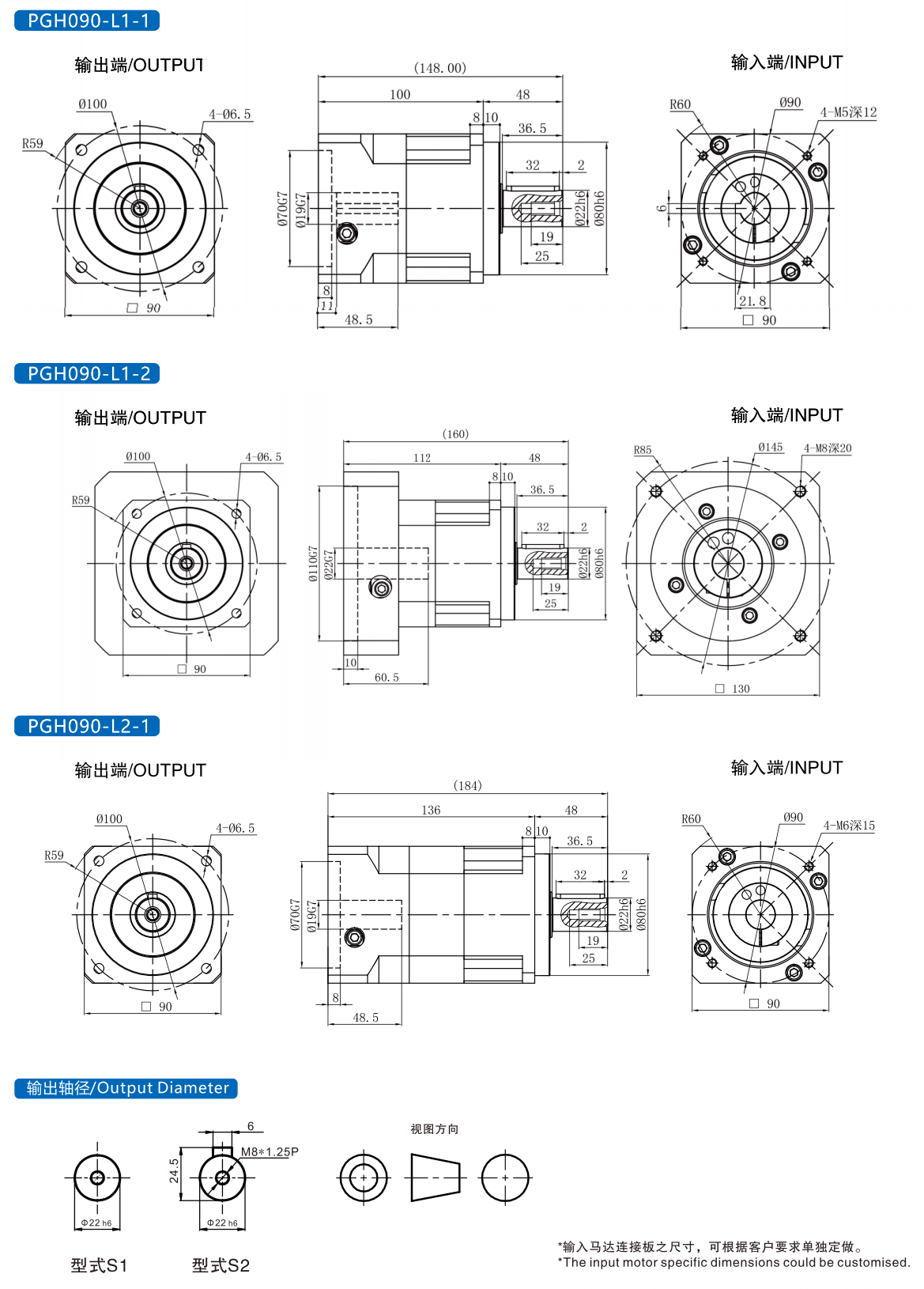
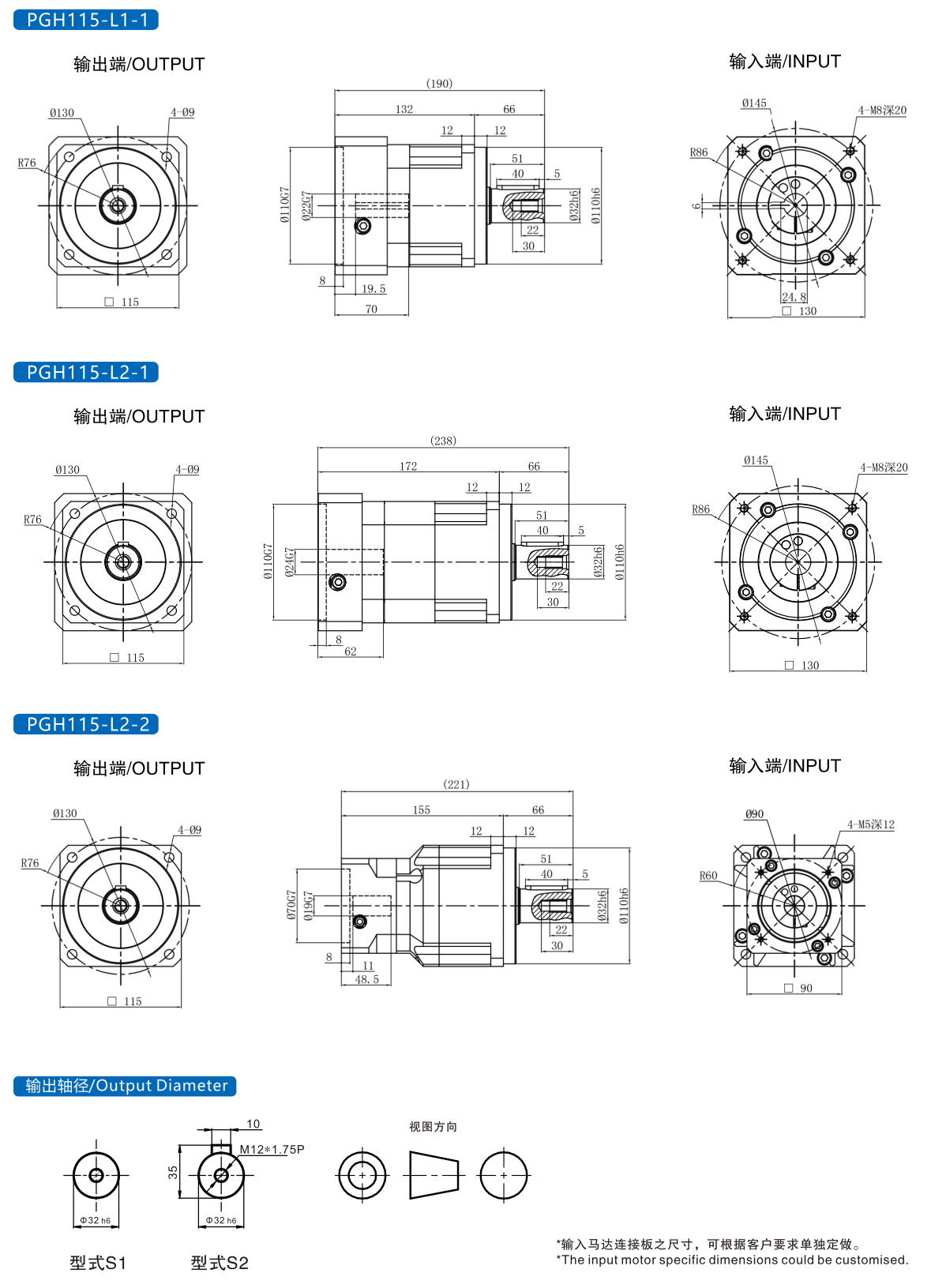
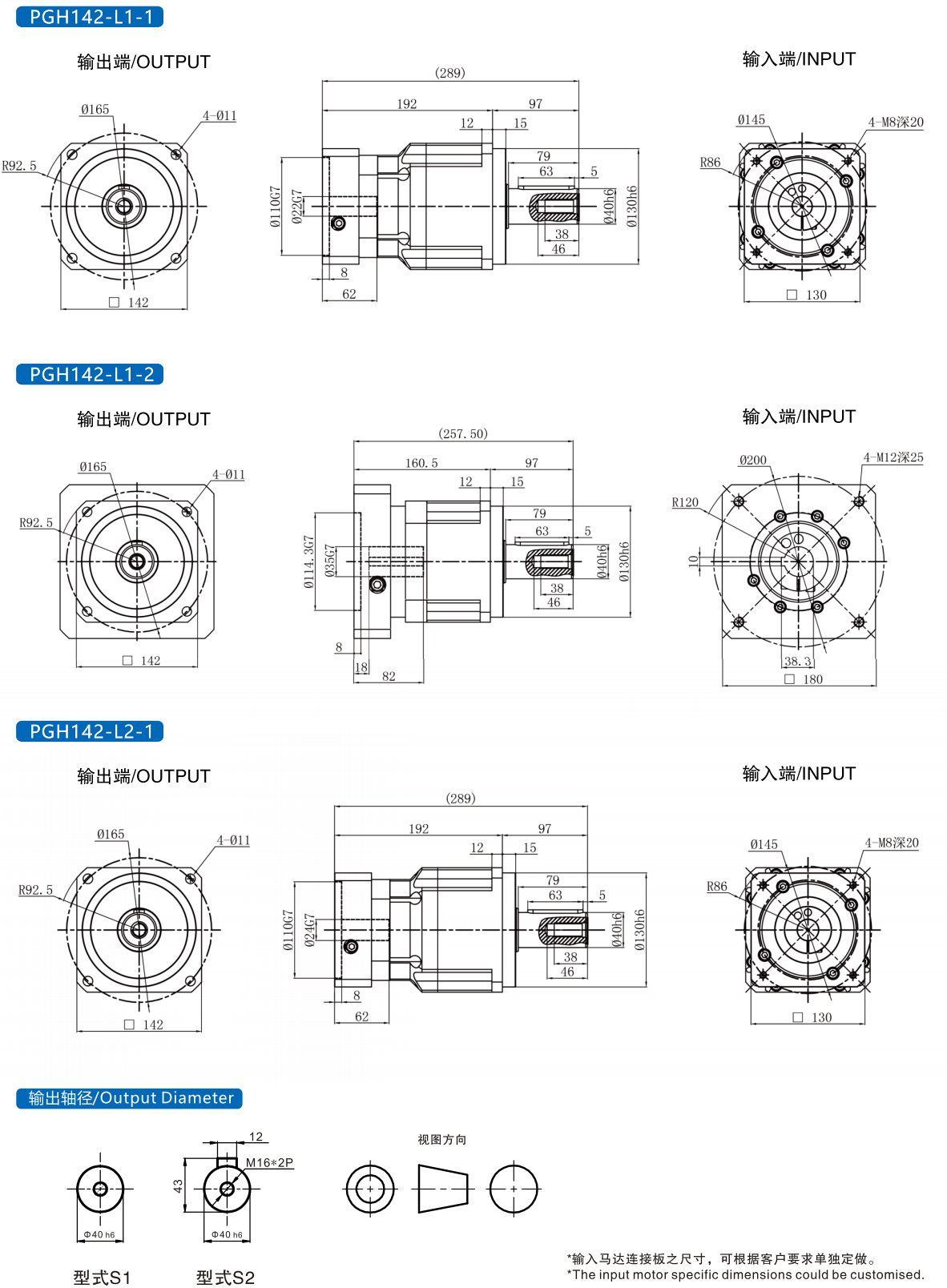
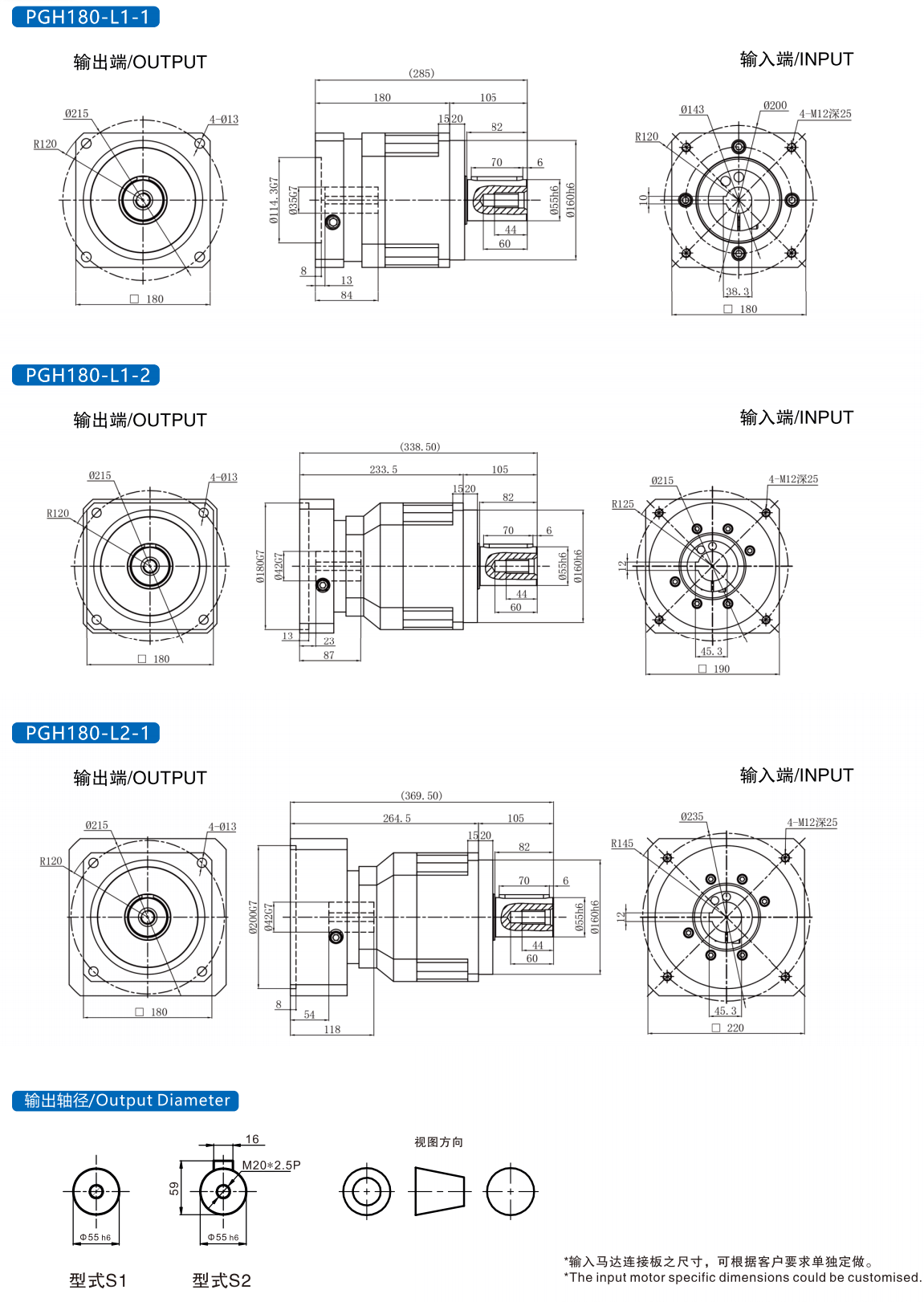
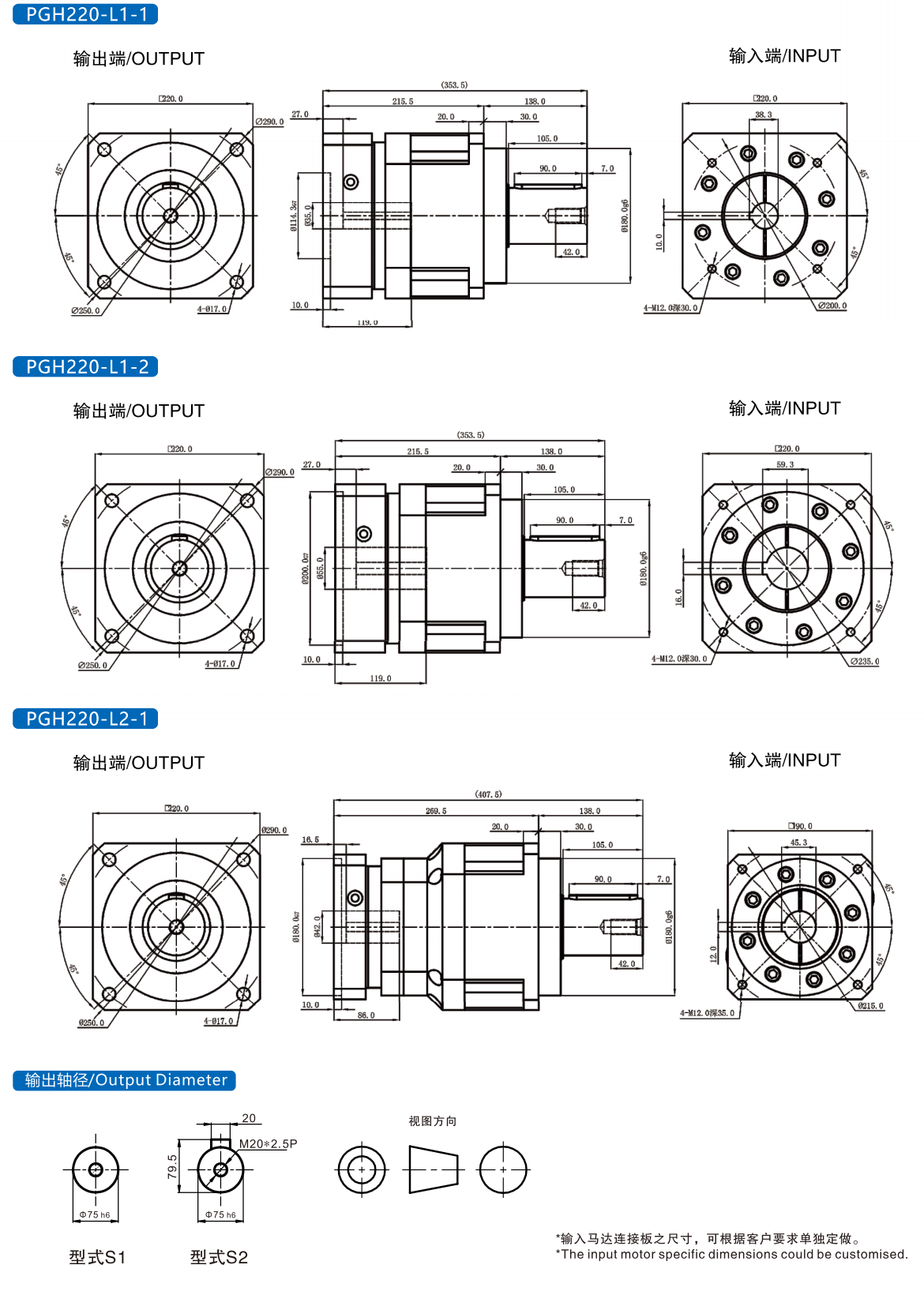
At HOAJEAR Intelligent Manufacturing (Suzhou) Co., Ltd., we design and manufacture planetary gearboxes for machines that need controlled speed, useful torque and dependable movement. Our PGH High Precision Helical Gear Reducer brings these requirements together in a compact transmission for industrial automation. We help customers connect the gearbox specification to the actual job, from moving a packaging axis to positioning an automated handling unit.
We focus on three practical goals: torque capacity, low backlash and quiet operation. The right balance depends on the selected model and working conditions. On this page, we explain how we approach selection, what published PGH figures mean, and which details we confirm before production and delivery.
1. What We Want the PGH Reducer to Do for Your Machine
We start with the movement your machine must make. A motor may run comfortably at a speed far above the speed needed by a rotary table, conveyor roller or feed mechanism. We use a planetary reducer to bring that speed down while increasing the torque available at the output, within the gearbox rating.
For us, a useful high precision planetary gearbox must fit the machine as well as the motor. We consider installation space, shaft arrangement, load position and access for assembly. A gearbox that looks suitable on a specification sheet can still create problems if its mounting face clashes with a guard or its output shaft leaves too little room for a coupling.
We also ask how often the axis starts, stops and reverses. A conveyor running steadily places different demands on a reducer than an indexing station that accelerates repeatedly. The load weight alone does not describe either job. We need the movement time, working speed and resistance to motion to understand the drive requirement.
Our PGH helical Planetary Gear Reducer is relevant to projects where compact construction and controlled movement matter. We work with requirements from automation equipment, robotics, CNC machinery, packaging, printing and material handling. Motor compatibility remains a model-specific check, including projects using servo, stepper or DC drives.
When customers ask us for a replacement gearbox, we request the complete existing model number and installation drawing. Matching the outside size is only part of the work. We also compare ratio, backlash requirement, operating speed, output connection and loading. This helps us identify differences before anyone changes the machine.
We keep the selection discussion straightforward: tell us what moves, how quickly it moves, how accurately it must stop and where the gearbox must fit. Those answers give us a stronger starting point than motor power alone.
Where space is tight, we ask for a simple layout showing nearby bearings, guards and service access. We also check whether the load has its own support. This helps us understand which forces reach the reducer and whether the proposed installation leaves enough room for assembly and later replacement.
2. Published PGH Specifications: Compare the Exact Model
We identify a gearbox by its complete model code because a series name does not define every performance value. The comparison below uses two models listed in our published HOAJEAR product information. We present these figures as model references, rather than specifications covering every PGH reducer.
| Parameter | PGH142-L2-25-S2-P1 | PGH142-L2-50-S2-P1 |
|---|---|---|
| Reduction ratio | 25:1 | 50:1 |
| Stage designation | L2 | L2 |
| Rated output torque | 530 N·m | 530 N·m |
| Published backlash | <7 arcmin | <7 arcmin |
| Published full-load efficiency | ≥94% | ≥94% |
Source: HOAJEAR official product listings titled PGH142-L2-25-S2-P1 and PGH142-L2-50-S2-P1, reviewed October 16, 2026. We confirm applicable test conditions, ratings and drawing revisions in the quotation and technical agreement.
We can see an important selection point here: increasing the reduction ratio does not automatically increase the gearbox's rated output torque. These two listed models carry the same published torque rating. Their different ratios change the relationship between motor speed and output speed, so we still need to check the motor and motion requirement.
We treat backlash and efficiency in the same careful way. We confirm the selected configuration and applicable measurement conditions before committing to a project value. A published full-load efficiency figure should not be used as a fixed efficiency for every speed, temperature and load condition.
We also distinguish rated torque from temporary peak loading. A machine may need more torque while accelerating than while travelling steadily. We check those events separately and confirm the allowable duration and repetition against the selected gearbox data.
For a repeating cycle, we ask for each movement and pause rather than an average production rate alone. We want to understand how the load changes during the cycle. A short, demanding move followed by a long pause needs a different review from a nearly constant load running throughout the shift.
Before ordering, we recommend putting the complete model, ratio, backlash requirement and installation dimensions on one approved document. We then have a shared reference for purchasing, assembly and acceptance. This is particularly helpful when several similar gearboxes are used on different axes of the same machine.
3. How We Use Planetary Reduction and Helical Gear Contact
We can explain a conventional planetary arrangement with three main parts: a central sun gear, surrounding planet gears and an outer ring gear. In a common reduction arrangement, the ring stays fixed, the motor drives the sun, and the planet carrier provides the output. We use this layout to package reduction around a shared axis.
In a helical gear arrangement, we use angled teeth. Their contact develops progressively across the tooth width. This supports smoother engagement, although measured sound still depends on speed, load, alignment and the machine structure. We avoid promising a specific noise level without an agreed test condition.
We also account for axial thrust, the force acting along the shaft that helical contact can generate. Bearing support and assembly therefore matter alongside tooth geometry. KHK's helical gear technical guidance describes this thrust and the need for suitable bearing selection.
For initial calculations, we use output speed = input speed divided by ratio. We estimate transmitted output torque as input torque multiplied by ratio and efficiency, then check it against the gearbox limits. These calculations help us screen a concept; they do not establish the allowable torque of a particular model.
| Example ratio | Output at 3,000 rpm input | Calculated torque at 1 N·m input and 95% efficiency | Load inertia reflected to motor |
|---|---|---|---|
| 5:1 | 600 rpm | 4.75 N·m | 4% of output-side load inertia |
| 10:1 | 300 rpm | 9.50 N·m | 1% of output-side load inertia |
| 20:1 | 150 rpm | 19.00 N·m | 0.25% of output-side load inertia |
Sources: Oriental Motor, Gearhead Selection for Stepper Motors, for speed and torque relationships; Oriental Motor, Technical Reference, for reflected inertia = load inertia / ratio². We calculated these examples. The 95% efficiency is an assumption, not a PGH specification; gearbox inertia, losses during acceleration and rating limits require separate checks.
We use the inertia comparison to understand how difficult a load is to accelerate from the motor side. We still include the gearbox's own inertia and check motor acceleration. A larger ratio also reduces output speed, so we balance these effects against the required cycle time.
4. How We Evaluate Backlash, Stiffness and Positioning
We describe backlash as the small amount of free angular movement that may appear when torque reverses direction. For a low backlash planetary gearbox for servo motors, this value matters because a reversing axis may move through that clearance before driving the load in the new direction.
We make angular figures easier to understand by converting them into movement at a chosen radius. One arcminute equals one sixtieth of a degree. At a point farther from the shaft centre, the same angle creates more travel. This is why we ask about the working radius of a rotary arm or table.
| Example clearance | Travel at 50 mm radius | Travel at 100 mm radius | Travel at 200 mm radius |
|---|---|---|---|
| 1 arcmin | 0.0145 mm | 0.0291 mm | 0.0582 mm |
| 3 arcmin | 0.0436 mm | 0.0873 mm | 0.1745 mm |
| 5 arcmin | 0.0727 mm | 0.1454 mm | 0.2909 mm |
| 7 arcmin | 0.1018 mm | 0.2036 mm | 0.4072 mm |
Source: our geometric calculations using arc travel s = r × θ, with θ in radians and θ = arcmin × π / 10,800. Values are rounded. These angles are comparison inputs, not available PGH precision grades or measured machine positioning results.
We do not use this table as a complete positioning prediction. We also consider shaft twist, coupling movement, bearing deflection, mounting rigidity and control behaviour. Backlash describes clearance; stiffness describes resistance to twisting under load. We need both concepts when a machine must stop accurately while pushing or holding a workpiece.
We ask customers to separate absolute accuracy from repeatability. We may need an axis to reach a commanded angle accurately, return consistently to the same point, or do both. We also ask whether it approaches that point from one direction or from alternating directions, because reversal can expose clearance.
For acceptance, we recommend agreeing on the test load, approach direction, measuring location and temperature condition. We can then discuss a result that relates to the actual machine task. Without those details, two apparently similar positioning measurements may describe different operating conditions.
5. Where We Apply a Precision Helical Planetary Gearbox
Packaging and printing equipment
We consider the PGH reducer for feed, indexing and positioning axes in packaging machinery. We ask about product spacing, cycle frequency and any load change during sealing or cutting. For a servo planetary gearbox for packaging machinery, acceleration and stopping time can matter as much as steady running torque.
In printing equipment, we review how the driven axis relates to the rest of the line. We discuss reversal, working speed and registration requirements. We also ask about external belts and couplings, since their compliance can affect the movement even when the reducer itself meets its specification.
Robotics and automated handling
We evaluate a Precision Planetary Reducer for automation systems by considering payload position as well as payload mass. A gripper carrying a part close to the shaft creates different demands from a long arm carrying the same part farther away. We check acceleration torque and external shaft loading separately.
We also review the required motion profile for pick-and-place units, transfer stations and rotary handling devices. We confirm whether the proposed gearbox arrangement suits the axis rather than assuming that one reducer type fits every robot joint.
CNC machinery and production equipment
For CNC-related positioning or auxiliary axes, we examine reversal, working force and duty cycle. We check the complete transmission, including screws, racks or couplings where fitted. We do not treat a low backlash figure as a substitute for checking the stiffness of the surrounding structure.
Conveyors and logistics systems
We review roller diameter, belt speed, friction and starting conditions when selecting a planetary gearbox for conveyor drives. We also ask about blockage events and repeated starts. If a pulley or sprocket loads the output shaft, we need its position and applied force to check the bearing arrangement.
Across these applications, we pay attention to the environment. We ask about dust, moisture, cleaning chemicals, ambient temperature and mounting orientation. We confirm the selected model's suitability before proposing operation in conditions that differ from normal industrial service.
6. How We Support Precision Through Machining and Inspection
At HOAJEAR, we support gearbox development and production with machining and inspection equipment. Our equipment includes a Kashifuji KPS30 gear skiving machine, a HAMA IN60 gear hobbing machine, DMG machining centres, an HT-350 gear inspection system, backlash testing equipment and a GLOBAL coordinate measuring machine, or CMM.
We view these machines as tools for controlling important features, rather than proof of every finished gearbox's performance. We match the production and inspection approach to the component design. We also distinguish gear cutting from finishing: naming a cutting machine does not establish a grinding process, hardness value or finished accuracy grade.
We use gear inspection to evaluate tooth geometry, while dimensional measurement supports checks of features such as bores, mounting faces and their relationships. These details matter because gears, bearings and housings must work together. We cannot expect careful tooth manufacture to compensate for a poorly aligned mounting arrangement.
Backlash testing addresses another part of the assembly. We use the agreed method to evaluate the clearance requirement, with the loading and measurement conditions defined for the project. Where customers need a specific inspection record, we discuss its scope before the order so the required measurements are clear.
For materials, heat treatment, lubrication and sealing, we refer to the selected design and approved technical documents. We avoid assigning one material grade or lubricant to every PGH configuration without checking. We also confirm whether a requested change affects fit, rating, maintenance or delivery.
Our delivery acceptance follows the drawings and technical agreement confirmed by both parties. We check the agreed ratio, backlash, installation dimensions and running condition. For repeat orders, we recommend retaining the approved drawing revision and complete model code so purchasing and production work from the same specification.
We welcome clear inspection requirements because they make the expected result easier to verify. If a project needs additional checks, we agree on the method and documentation instead of leaving those details until the gearbox is ready to ship.
7. What We Confirm Before Ordering, Installation and Delivery
We can prepare a more useful PGH gearbox quotation when we receive the motor model, required output speed, working torque, peak torque and duty cycle. We also request available space, output connection details and the installation orientation. If those figures are incomplete, a machine drawing and motion description help us identify the missing information. We can discuss incomplete specifications together.
For motor connection, we check shaft diameter, shaft length, locating pilot, flange dimensions and fastening arrangement. We also consider access for tightening the connection. Motor power is helpful, but it cannot confirm mechanical compatibility by itself.
During installation planning, we recommend clean mating surfaces, correct alignment and the fastening method specified in the assembly instructions. We avoid using bolts to pull a misaligned motor into place. We also advise against striking the gearbox shaft when fitting a coupling, pulley or other output component.
At commissioning, we recommend beginning with a controlled trial and increasing the load gradually. We check direction, speed, unusual sound, vibration and temperature behaviour. For positioning axes, we compare movement in both directions and revisit the control settings after the mechanical installation is confirmed.
We establish the production schedule according to model, quantity, stock availability and custom requirements. The delivery date follows the contract. We discuss payment terms during quotation; an advance payment and balance before shipment may be negotiated, with the final arrangement recorded in the contract.
We select courier, road transport, sea freight or air freight according to shipment size and timing. Our packaging uses rust and moisture protection, cushioning and secure fixing, with cartons or wooden cases chosen for the shipment. We confirm special packing requirements before dispatch.
For customers building several machines, we recommend approving the first configuration before releasing a larger repeat order. We can then use the confirmed motor interface, drawing and technical requirements as the purchasing reference. This reduces uncertainty when the same gearbox is ordered by different people over time.
When you compare quotations, we recommend checking what each price includes: motor adapter, output connection, agreed inspection records and packaging. We also confirm the drawing revision attached to the offer. These details help your purchasing team compare equivalent configurations and avoid discovering a missing requirement after the equipment reaches assembly.
8. Questions We Answer Before You Choose HOAJEAR
Can we match the PGH reducer to your servo motor?
We check the motor's mechanical interface, speed and torque against the proposed gearbox. Please send the complete motor model and drawing. We confirm the required adapter and input connection before accepting compatibility.
Does high precision mean zero backlash?
We specify backlash for the exact model and configuration. We do not use high precision as a promise of zero clearance. We also check whether your machine needs repeatability, absolute positioning accuracy or both.
How do we choose the reduction ratio?
We begin with the required output speed and motor operating range, then check torque, inertia and cycle time. We also verify gearbox limits. A higher ratio is useful only when the resulting output speed and loading suit the job.
Can we quote a gearbox from motor power alone?
We can begin a discussion, but we need more information for a reliable selection. We request speed, load, acceleration, duty cycle and mounting details. Two machines using the same motor power can need different reducers.
Is our PGH gearbox suitable for continuous operation?
We assess continuous duty using the selected model, speed, torque, ambient conditions and heat dissipation. We also review repeated acceleration where relevant. We confirm suitability against the applicable operating limits before making a recommendation.
Can we provide custom mounting details?
We review custom requests against design feasibility, quantity and production requirements. Please send a dimensioned drawing. We confirm the approved design, cost and schedule before manufacture, including any effect on the standard configuration.
What should we check if a new installation runs noisily?
We first review alignment, fastening, operating speed, loading and contact with surrounding parts. We ask for the model code, installation details and operating observations. We investigate the cause before recommending continued operation or a component change.
Why work with us on a PGH gearbox project?
We combine planetary gearbox design, research and manufacturing with machining and measurement resources. Our aim is to give customers a specification they can check and a gearbox matched to the task. We connect selection, approved drawings and delivery acceptance throughout the order.
Send us your motor drawing, required ratio, output load, motion cycle and available mounting space. We will review the PGH High Precision Helical Gear Reducer configuration with you and prepare a quotation based on the agreed technical requirements.


 WhatsApp
 телефон
 почтовый ящик
 сообщение